AI ART DETECTOR
Find out if a piece of art was made by a person or AI.
Upload an artwork and get a clear verdict in under ten seconds, backed by the actual evidence: pixel-level artifacts, embedded metadata and a match against known generative models, not just a black-box score.
No account needed for your first 5 checks · Works on JPG, PNG and WebP up to 20MB
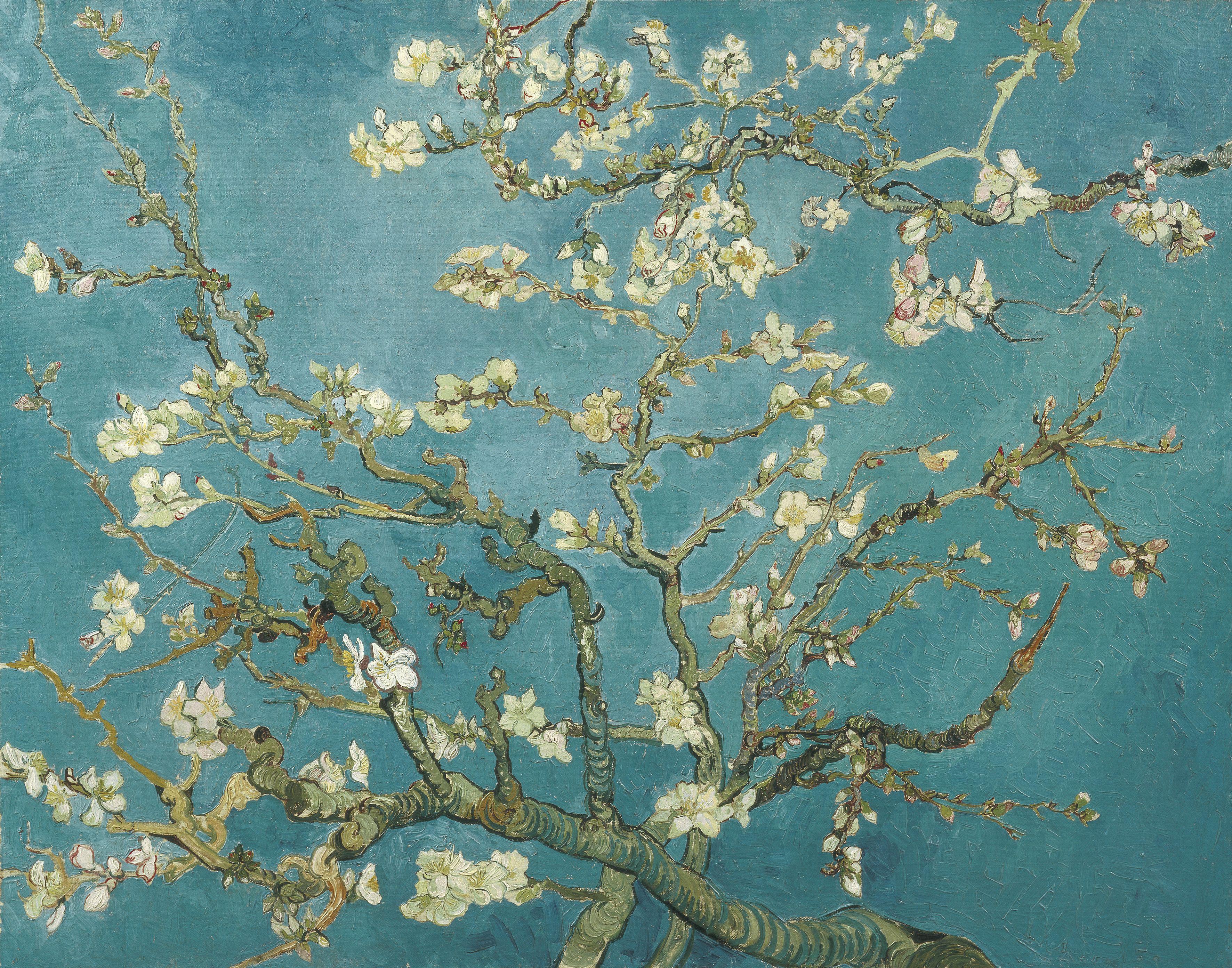
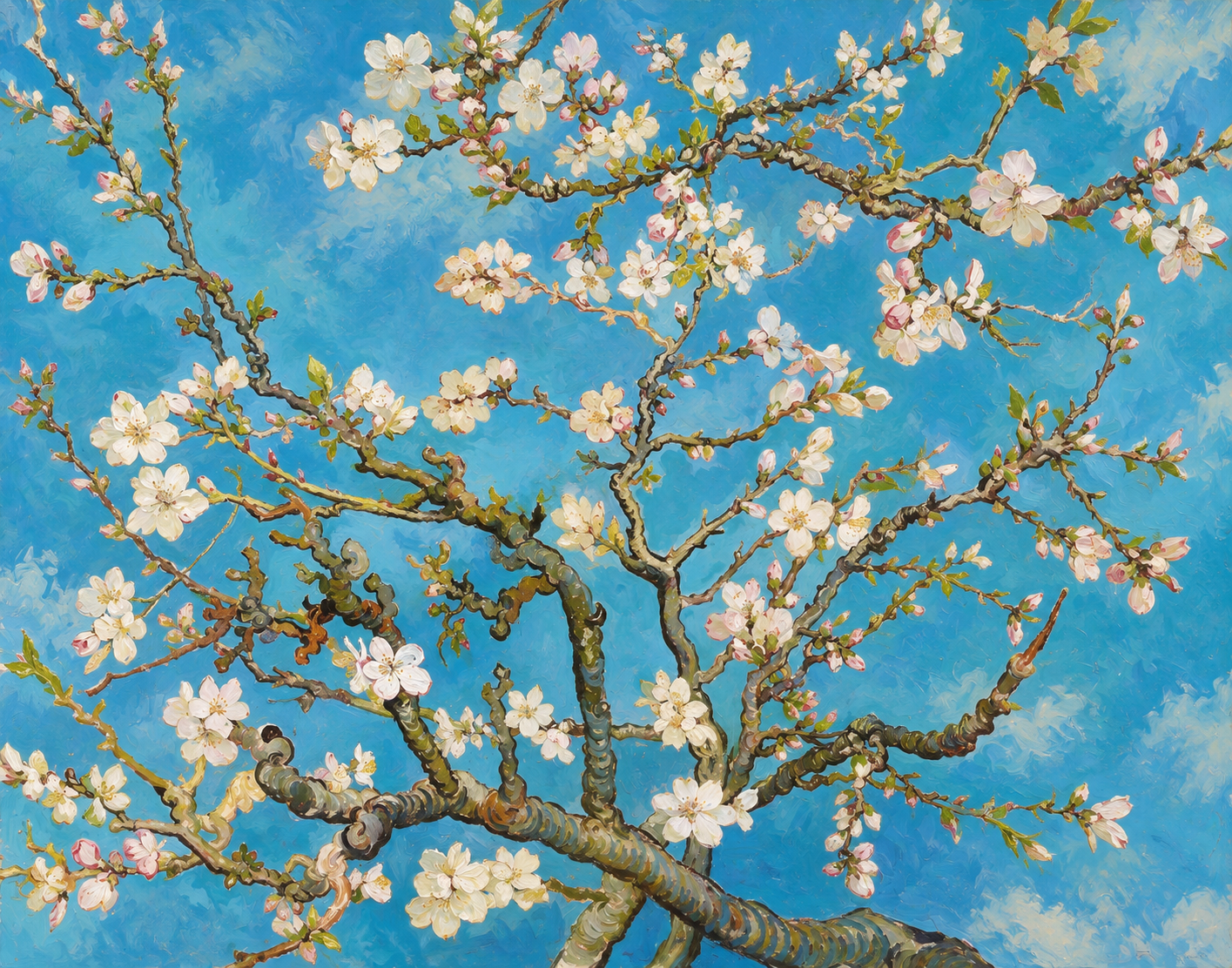
Vincent van Gogh, Almond Blossom, 1890. Wikimedia Commons · Public Domain Mark
Three checks our AI art detector runs on every artwork
Most AI art detection tools return a single number. We show you what produced it, so you can decide how much weight to give it.
Upload the artwork
Drop in a JPG, PNG or WebP artwork file, or paste a link. Nothing is downscaled before analysis, since compression can hide the details we're looking for.
We run the analysis
The artwork is scored for diffusion patterns, checked for embedded metadata or C2PA content credentials, and compared against fingerprints from known generators.
Read the full report
You get a verdict, a confidence score, and a breakdown of the signals behind it, with flagged regions if only part of the artwork was AI-edited.
What our AI art detection tool catches
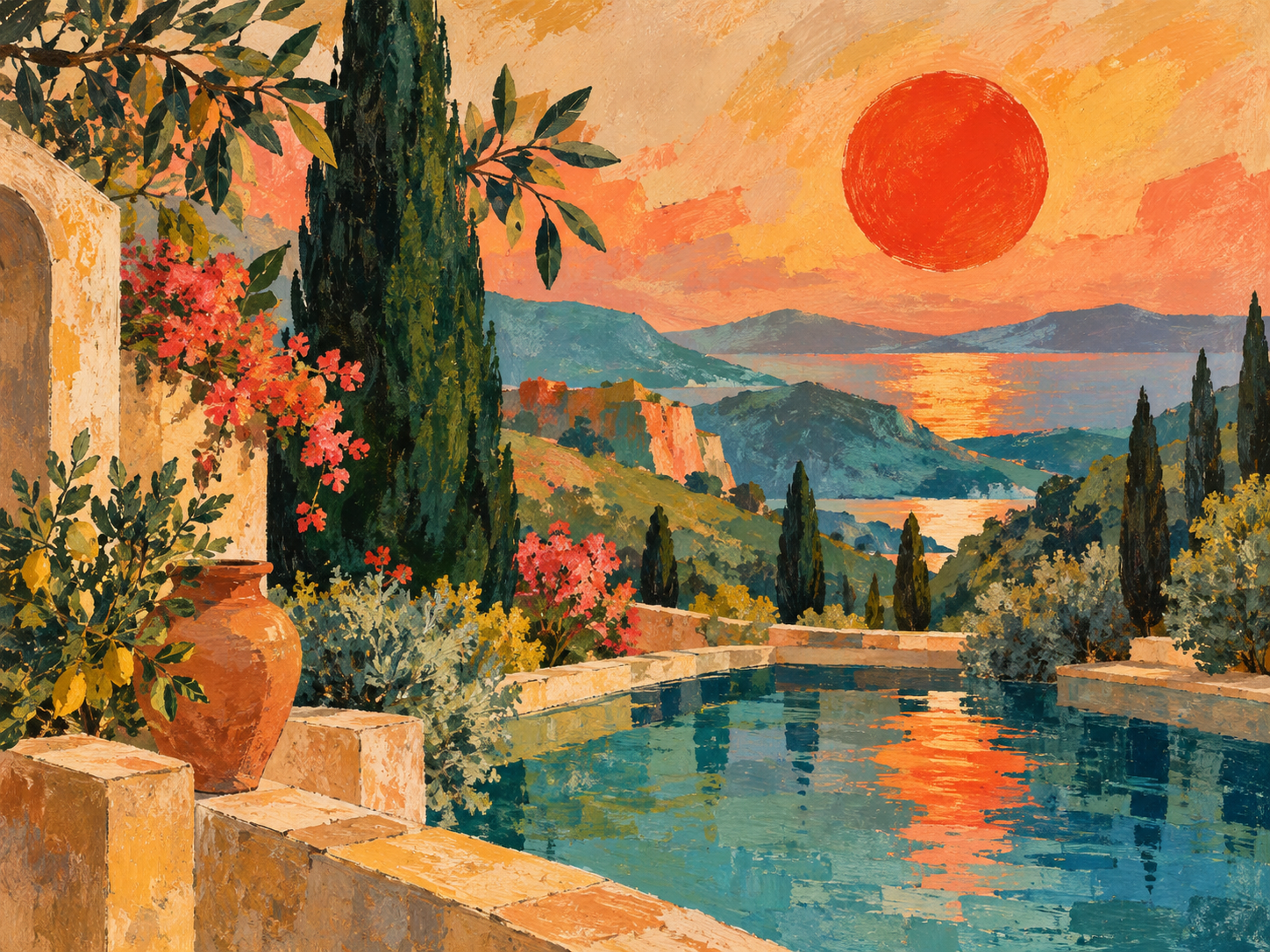
Diffusion-generated art
Complete artworks from Midjourney, DALL·E, Stable Diffusion and similar creative models.
GAN-based work
Older generative-adversarial output, including style-transfer and face-synthesis pieces.
Partial AI edits
Generative fill, inpainting or AI upscaling layered onto a painting, drawing or other artwork.
Digitally altered artwork
Paintings and illustrations whose original appearance has been significantly changed through AI enhancement or retouching.
We'd rather show our work than promise perfection
Every generator update changes what "AI-looking" means at the pixel level. Instead of chasing one universal score, the report weighs three independent signals and tells you when they disagree.
-
01
Pixel & frequency analysis
Diffusion models leave statistical noise patterns invisible to the eye but measurable in the frequency domain.
-
02
Metadata & content credentials
We check for C2PA credentials and EXIF traces that many cameras and editing tools attach automatically.
-
03
Model fingerprinting
Output from named generators has recognizable signatures; a match can often name the likely source model.
-
04
Human review, on request
Borderline results can be queued for a second look by a trained reviewer on Pro and Team plans.
Built for anyone who needs an AI art detector, not just a hunch
Artists
Check whether your own portfolio pieces are being scraped and passed off through AI reproductions, or defend your work when it's wrongly accused of being AI-made.
Marketplaces & galleries
Review submissions in bulk and support platform teams with a consistent artwork review workflow.
Teachers & competition judges
Review student or entrant submissions quickly, with a report you can attach to a decision instead of a gut call.
Journalists & researchers
Verify artwork before publication or citation, with a methodology you can actually describe in a footnote.
Used by people who need a straight answer
A customer swore their piece was hand-painted. The report flagged clear diffusion noise in the shadow areas within seconds and saved me an awkward conversation.
We screen around 400 listings a week. Batch upload cut our manual review time by more than half, and the flagged-region view means we're not just trusting a single number.
My students know I check now, so submissions have gotten a lot more honest. The report gives me something concrete to point to instead of just a gut feeling.
Your uploads stay yours
Never used for training
Uploads are processed only to generate your report, not to train our detection models.
Delete anytime
Remove an upload immediately after your report is generated, or it clears automatically after 30 days.
Encrypted in transit
Every upload moves over TLS and stays encrypted at rest while your report is being generated.
Never sold or shared
Your artwork and reports aren't sold or shared with advertisers or other platforms.
Start with a free AI art tester, upgrade when you check in bulk
Free
For the occasional AI art test
- 5 checks per month
- Full verdict & confidence score
- Artworks up to 10MB
Pro
For artists, buyers and small teams
- Unlimited checks
- Full evidence breakdown & model match
- Artworks up to 50MB
- Priority processing
Team
For marketplaces & platforms
- Bulk artwork review workflows
- Human-reviewed edge cases
- Shared team reports
Common questions about AI art detection
It layers three checks: pixel and frequency-domain analysis for diffusion artifacts, a scan of embedded metadata and content credentials, and a model-fingerprint comparison against known generators. No single check is decisive alone, which is why the report shows all three.
No. Heavily compressed, rescanned or screenshotted artwork reduces confidence across every method that exists today. Use the score as evidence to weigh, not a final ruling.
Yes. The model-fingerprint layer is trained on output from the major diffusion and GAN-based generators and will often name a likely source model alongside the overall verdict.
Generative fill, inpainting and AI upscaling can leave localized signs, and the report can flag those regions rather than scoring the entire artwork as one block.
Artworks are processed only to generate your report. They aren't used for training and aren't shared with third parties, and you can delete an upload immediately after your report is generated.